


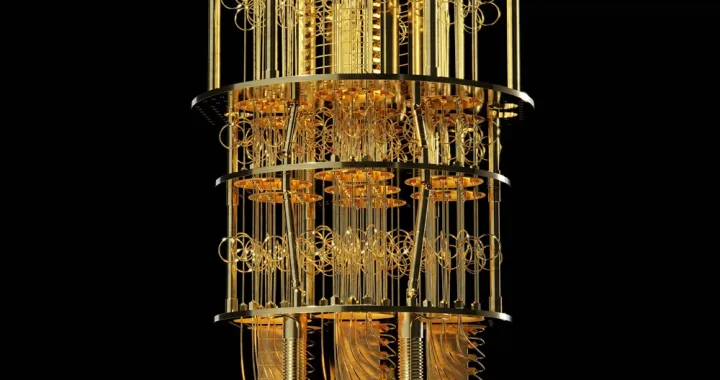
Quantum technologies have undergone spectacular development in recent years, with McKinsey estimating their potential to create trillions of dollars in value over the next decade. From computing to sensing to communications and cryptography, the world is abuzz with quantum innovations. The question now is whether Europe has the strength to transition from lab to widespread adoption.
On July 2, the EC presented its Quantum Strategy, aimed at making Europe a global leader in quantum by 2030. While Europe leads in quantum talent, academic research, and early-stage entrepreneurship—it is home to about one-third of the world’s quantum companies—it still lags in commercialization, private investment, and patent filings.
Backed by more than €1 billion in EU funding and aligned with the Chips Act and the Economic Security Strategy, the Quantum Strategy focuses on dual-use potential, industrial scaling, and strategic autonomy. It introduces new coordination bodies and pilot lines to accelerate the deployment of quantum computing, communication, and sensing technologies in key sectors such as energy, finance, health, and defense.
Open questions remain: What is the state of quantum startup funding? Can hybrid quantum computing systems deliver value now? What is the most efficient path to scaling quantum computers? Is silicon spin qubit the technology to bet on? How to prepare for post-quantum cryptography? What are the real-world applications for quantum sensors? What are the promises of quantum communication systems?
This Special Report will assess the current state of quantum research by examining the latest advancements in quantum computing, sensing, and communication, and their implications for Europe’s position in the global race.
It relies on a collection of contributions by Tematys, IQM Quantum Computers, Q-Ctrl, Quantum Brilliance, and Ulster University in Northern Ireland. It also reflects discussions with Olivier Ezratty, author of “Understanding Quantum Technologies,” and key European quantum players such as Bluefors, CEA-Leti, Cloudflare, Delft Circuits, D-Wave, IQM Quantum Computers, the Jülich Supercomputing Center, the U.S. National Institute of Standards and Technology, the U.K.’s National Quantum Computing Centre, Nu Quantum, Phasecraft, QuiX Quantum, Quobly, SemiQon, and the VTT Technical Research Center of Finland.
To illustrate the continued, gradual rise in the representation of quantum technologies in EE Times’ Silicon 100, our annual list of 100 promising electronics and semiconductor startups, we’ll zoom in on the developments and evolution of some of the European quantum startups on this year’s list.

Leave a Reply